
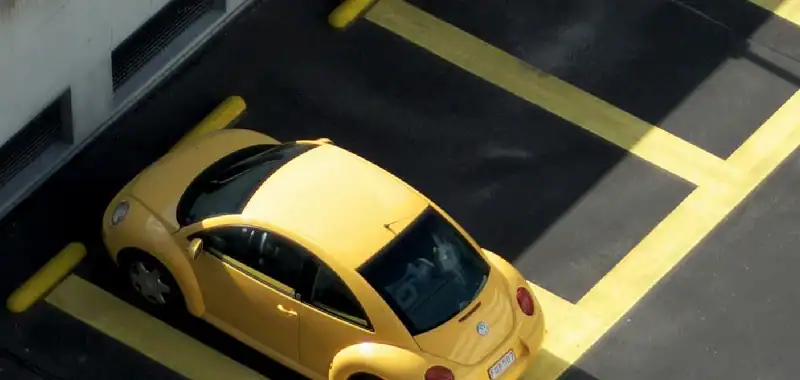
Curb appeal starts at the curb. One of the most common questions we get at OKPLS is: does your pavement type change your striping plan? The short answer is: Yes, it does, and the difference can impact everything from safety to efficiency. So if your business is thinking about new layouts, this guide will help you avoid hazards, enhance visibility, and make life easier for your customers.
Pavement Basics: Asphalt vs. Concrete
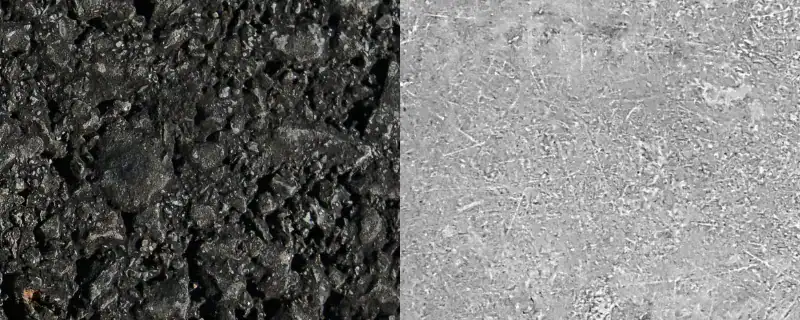
Before we get too deep into the painting process, let’s talk about the pavement itself. Asphalt and concrete might both serve as a base for your parking area, but they behave very differently over time and impact how we approach the job.
Asphalt
Asphalt is made from sand, stone, and other aggregates held together by bitumen(a petroleum-based binder). This mix gives asphalt surfaces flexibility and resilience, especially in areas like roadways and commercial parking lots where weight and movement are constant. But asphalt can develop cracks, potholes, and surface wear over time, especially under heavy use or poor drainage. It also absorbs oils and chemicals easily, which can affect the adhesion of paint and other pavement markings.
Concrete
On the other hand, concrete is a more rigid surface made from cement and aggregate. It doesn’t flex like asphalt, which makes it more prone to surface cracks from expansion and contraction. However, it often lasts longer with fewer repairs and is more resistant to chemical spills. Due to its smooth texture and alkaline nature, concrete requires a different approach for painting and marking.
These core differences in the pavement material determine everything from how our crews prep the surface to which striping products we apply. If you want your striping to be long-lasting, clear, and easy to maintain, matching the paint and process to the pavement is an important first step.
Asphalt Pavement Striping

Asphalt surfaces are common in Oklahoma City’s parking lots, mostly because they’re affordable, durable, and relatively easy to repair. That said, they come with their own challenges when it comes to striping, layout, and maintenance.
Paint Types That Work Best on Asphalt
We use different types of paint depending on the condition and use of the asphalt:
- Water-based acrylic or latex paints are common for asphalt because they dry fast, are cost-effective, and environmentally friendly. They’re a solid choice for lighter traffic areas or for touch-ups between restriping projects.
- Solvent-based paints bond better to oil-prone areas and are more resistant to moisture and fuel. However, they may not be allowed in every location due to environmental regulations.
- Two-component systems (like epoxy or polyurethane) provide excellent adhesion and long-term durability. These are ideal for commercial spaces with high traffic and frequent vehicle movement.
- Thermoplastic striping is a melted plastic material applied to the pavement. It’s durable, thick, and extremely visible, making it a great option for high-traffic areas, roadways, and commercial parking lots.
For busy lots, we often recommend two-component systems or thermoplastic striping for a long-lasting finish. These materials are designed to hold up under Oklahoma’s weather and constant vehicle traffic.
Best Practices for Striping Asphalt
Getting crisp lines on asphalt takes more than just paint. Here’s how our team approaches it:
- Surface prep is a must. We clean the surface thoroughly to remove dirt, debris, oil stains, and sand. A dirty lot leads to poor adhesion.
- Cure time matters. If the asphalt is new, it needs time to settle and cure. Otherwise, the markings can lift or peel. Depending on temperature and humidity, we usually wait 30–90 days before applying paint.
- Temperature check. Asphalt heats up fast. If it’s too hot, the paint dries before it bonds properly. We choose our timing carefully to avoid this issue.
- Add reflectivity. We often use reflective glass beads for better night visibility, especially near crosswalks, fire lanes, and high-traffic entrances.
- Focus on layout. Good striping focuses on function. We design layouts to maintain proper access, manage traffic flow, and improve safety for both drivers and pedestrians.
Challenges of Striping Asphalt
Even when a job is done right, asphalt has its quirks:
- Cracking and shifting. Over time, asphalt flexes under cars and weather, which can cause markings to split or fade.
- Oil damage. Oil leaks from parked vehicles can weaken the bond between paint and surface.
- Frequent re-striping. Most parking spaces on asphalt need a fresh coat every 1–2 years, especially in areas with heavy car and truck traffic.
Keeping up with regular parking lot maintenance like sealing cracks, filling potholes, and re-striping goes a long way in protecting your investment.
Concrete Parking Lot Striping

Concrete surfaces last a long time, but they need the right products and prep work to keep lines looking good. Striping concrete can be a bit more technical than asphalt, especially if the surface has sealers or a smooth finish.
Best Paint Options for Concrete
Due to its density and low porosity, concrete needs stronger adhesives:
- Epoxy and polyurethane paints are some of the best choices. They bond chemically with the surface and hold up well against traffic, fuel, and weather.
- Thermoplastic striping is also a good fit. It works great on concrete and gives a thick, plastic-like appearance that’s highly visible and extremely durable.
- Solvent-based or modified acrylics can work, but only in low-traffic zones or as a temporary fix.
Concrete Striping Best Practices
We take the following steps to make sure the paint sticks and looks professional:
- Etching or grinding. Smooth concrete needs to be profiled to give the paint something to grip. We use mechanical grinders or acid etching depending on the surface condition.
- Control moisture. If there’s too much moisture in the concrete, the paint won’t stick. We test and allow time to dry as needed.
- Apply primer. For many jobs, we use a bonding primer that helps the striping adhere better.
- Precision masking. On concrete, clean edges make a big difference. We take extra care with layout and masking to make the lines pop.
Common Concrete Striping Issues
Without proper application, typical issues that might arise include:
- Peeling. If the paint doesn’t bond correctly, it can flake off in chunks.
- Joint movement. Concrete expands and contracts with temperature, which can lead to broken or offset markings.
- Chemical exposure. Concrete is sensitive to certain cleaners and sealers, so the material we use has to be compatible.
Overall, concrete is a great surface for pavement markings if prepped right. We choose the best products and tailor our painting process for the specific location and layout.
Parking Lot Maintenance and Re-striping Tips
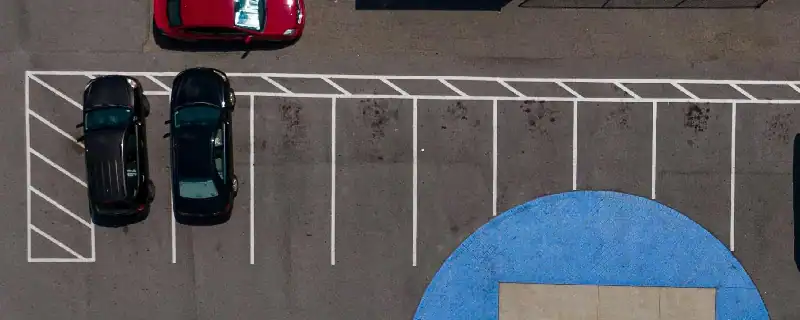
Even the best striping doesn’t last forever. Regular parking lot maintenance keeps your markings fresh, safe, and easy to follow for all drivers and pedestrians.
Some of our pro tips include:
1. Inspect Regularly
Walk your property every quarter to check for faded lines, blocked spaces, or missing markings. Busy zones like entrances, two-way traffic lanes, and loading areas often need extra attention.
2. Clean the Lot
Sand, dirt, and oil shorten the life of pavement markings. Regular sweeping and pressure washing help maintain appearance and safety. Be cautious around car stops, sidewalks, and painted curbs.
3. Touch Up High-Wear Areas
Instead of waiting for the entire lot to fade, we recommend touching up high-traffic areas like crosswalks, arrows, and entrances as needed. It’s a simple way to improve safety and reduce long-term costs.
4. Coordinate With Sealcoating or Repairs
If your asphalt needs sealcoating or repairs, do those first. Fresh coat striping comes after cracks are filled, potholes are repaired, and surfaces are clean.
5. Keep an Eye on the Weather
Paint doesn’t adhere well to wet surfaces or in cold temperatures. We plan our work based on local forecasts to avoid delays or do-overs.
6. Schedule Re-striping
Depending on the traffic volume, you may need a fresh coat of striping every 1 to 3 years. Heavy commercial traffic? Sooner. Light retail parking? You may be able to stretch it longer. Either way, having a maintenance plan helps avoid surprises.
Get a Free Estimate From the Most Reliable Parking Lot Striping Company in Oklahoma City
Want your lot to look sharp, stay safe, and keep traffic moving? From new installation to parking lot repainting, OKPLS brings efficient, hassle-free services to every job. We work with asphalt paving, offer alternative striping solutions, and even help you choose pigments that boost visibility.
So if you’re ready to hire experienced pros, give us a call at (405) 251-6162 so we can address your lot the right way!

