
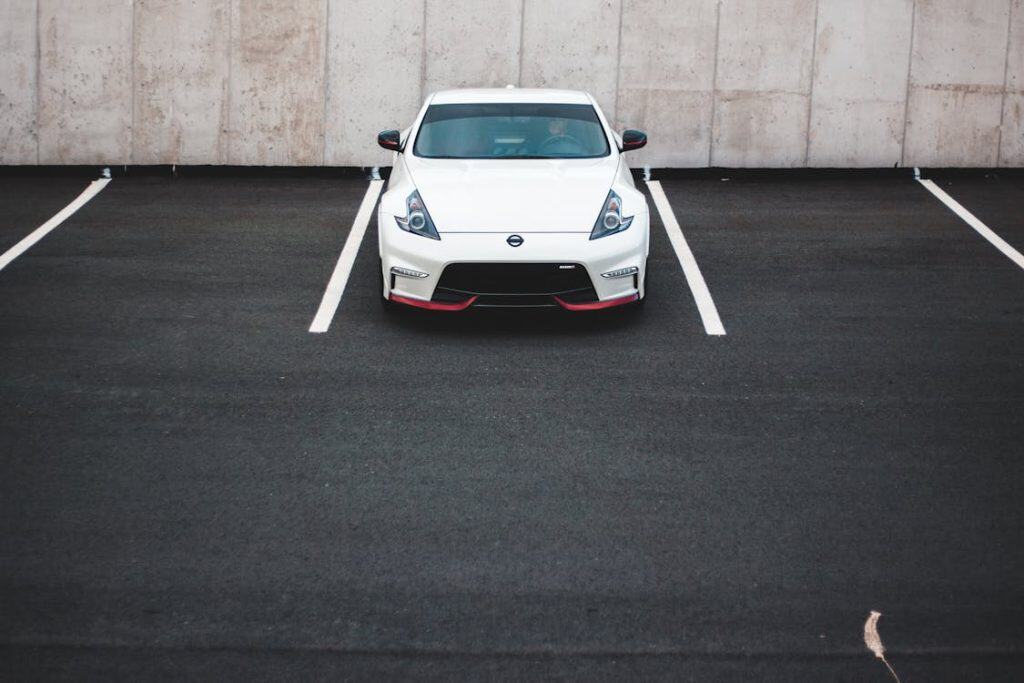
If you’ve ever pulled into a parking lot and immediately knew exactly where to park without a second thought, you have line striping to thank. Parking lot line striping might not be the first thing on your mind when thinking about property maintenance, but it plays a crucial role in traffic flow, safety, and curb appeal. A well-marked parking area doesn’t just keep things organized—it makes quite a statement about your business.
At Oklahoma Parking lot Services, we specialize in pavement marking services to ensure parking lots are safe, efficient, and compliant with regulations. In this article, we’ll break down everything you need to know about line striping, from the process to the benefits and the best materials to use.
What Is Line Striping?

Line striping is the process of applying painted markings to parking lots, roads, and other paved surfaces to designate parking spaces, traffic lanes, and pedestrian areas. It’s an important part of maintaining an organized and safe parking area. Whether you need to maximize parking spaces or improve traffic flow, well-marked parking lot lines make all the difference.
A freshly striped parking lot is not only functional but also enhances the overall appearance of your property. Crisp white or bright yellow parking lines stand out against black pavement, guiding drivers and pedestrians with ease.
Types of Line Striping
Parking Lot Striping

Parking lot striping is one of the most commonly recognized forms of pavement marking. From standard parking spaces to handicap parking spaces, clear and precise markings ensure accessibility and order. Proper handicapped spacing is essential for meeting the Americans with Disabilities Act (ADA) requirements.
Roadway Striping

Road markings help prevent traffic jams and ensure smooth movement of vehicles. This includes lane dividers, crosswalks, and directional arrows. Well-defined crosswalks ensure pedestrians watch for vehicles while drivers know where to yield.
Warehouse & Industrial Striping

In warehouses and factories, line striping creates safe zones for workers, vehicles, and storage areas. Using durable traffic paint and glass beads for reflectivity, these markings improve workplace safety.
Sports & Recreational Striping

Whether it’s a basketball court or a bike lane, straight lines and well-defined boundaries are crucial for organized play and safe movement.
Materials Used in Line Striping

Traffic Paint
Traffic paint is specifically formulated to withstand constant exposure to weather conditions, heavy traffic, and dirt. It’s available in various colors, including bright white, bold yellow, and blue for handicap parking spaces.
Glass Beads
Glass beads are often added to traffic paint to improve reflectivity. This ensures that parking lot markings remain visible at night and in low-light conditions.
Line Striping Equipment
Using a high-quality line striping machine ensures straight, even lines in less time. Professional striping jobs rely on durable line stripers to apply paint with precision.
The Line Striping Process

1. Surface Preparation
A clean surface is key to a long-lasting striping job. Before painting, we remove debris, dirt, and oil stains from the asphalt pavement.
2. Layout & Planning
Marking the layout beforehand helps ensure well-defined parking spaces, straight lines, and proper spacing for curb areas and crosswalks.
3. Application Using a Line Striper
A line striping machine is used to apply fresh, even coats of paint, whether for new striping or refreshing old lines.
4. Drying & Curing
Traffic paint requires drying time before vehicles can park. Quick-drying formulas allow parking areas to reopen sooner.
Benefits of Parking Lot Striping

1. Improves Safety
Well-marked parking lots guide vehicles and pedestrians, reducing the risk of accidents. Clear pavement markings and well-defined crosswalks ensure pedestrians watch for oncoming traffic.
2. Maximizes Parking Spaces
Efficient layouts allow businesses to maximize parking spaces, improving traffic flow and accessibility.
3. Enhances Curb Appeal
A freshly striped parking lot gives your business a polished, professional appearance. Faded or disorganized markings can make a property look neglected.
4. Ensures Compliance
Meeting disabilities act requirements with clearly marked handicap parking spaces prevents potential legal issues and fines.
5. Saves Money in the Long Run
Properly maintained line markings reduce wear and tear, preventing the need for frequent repainting. Routine maintenance helps extend the durability of your pavement markings.
How Often Should You Stripe a Parking Lot?
Several things affect how often you need parking lot striping, including traffic volume, weather conditions, and the quality of materials used. On average, businesses should refresh their parking lot lines every 1–2 years to maintain visibility and compliance.
DIY vs. Hiring a Professional
While DIY striping might seem like a way to save money, using professional striping services ensures accuracy, durability, and compliance. Professional line striping equipment delivers straight, bright lines that last longer, making it a worthwhile investment.
Parking Lot Perfection Starts Here

Line striping is more than just paint on pavement—it’s an important part of keeping parking lots organized, safe, and visually appealing. Whether you need a freshly painted lot, clear handicap parking spaces, or well-marked traffic lanes, professional striping ensures quality results that last. At Oklahoma Parking Lot Services, we take pride in delivering top-tier parking lot striping services that keep your business looking sharp and running smoothly.
Need a fresh look for your parking area? Contact us today and let’s get started on your next striping project!
Frequently Asked Questions
1. How often should parking lot lines be repainted?
The frequency of repainting depends on factors like traffic volume, weather conditions, and paint quality. On average, parking lot lines should be refreshed every 1–2 years to maintain visibility and compliance.
2. What type of paint is used for parking lot striping?
Parking lot striping typically uses traffic paint, which is durable, weather-resistant, and designed to withstand constant exposure to vehicles and the elements. Some paints also contain glass beads for reflectivity.
3. How long does it take for line striping paint to dry?
Most traffic paints dry within 30 minutes to an hour, but full curing may take up to 24 hours depending on weather conditions and paint type.
4. Can line striping be done on both asphalt and concrete surfaces?
Yes! Line striping works on asphalt pavement and concrete surfaces. However, surface preparation is crucial for proper adhesion and long-lasting results.
5. Why are handicap parking spaces painted blue?
The Americans with Disabilities Act (ADA) requires handicap parking spaces to be clearly marked with blue paint and the universal wheelchair symbol to ensure accessibility and compliance.

