
You’ve seen it: bold white stripes stretching across the pavement, almost like something out of Abbey Road. But this isn’t just street art or a cheeky nod to a classic album cover—it’s zebra striping, and it plays a key role in organizing movement where cars, people, and oncoming traffic meet. At OK Parking and Line Striping, we specialize in turning high-traffic zones into safer, more navigable spaces with clean, crisp zebra markings that do more than just look sharp—they help keep the rhythm of a major city moving.
The Basics of Zebra Crossings
Zebra crossings may look simple, but they’re one of the most powerful tools in traffic safety—connecting people to sidewalks, shops, schools, and more.
What Is a Zebra Crossing?

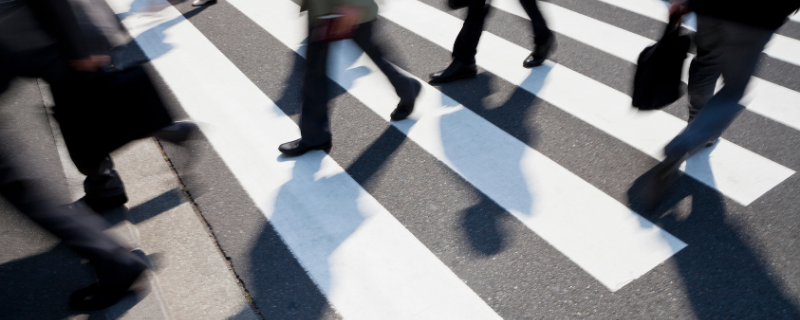
A zebra crossing is a pedestrian walkway marked by alternating black and white stripes painted parallel across roads or parking lots. These high-contrast markings are located at intersections, mid-block paths, or areas with heavy foot traffic to signal drivers to yield and give pedestrians priority.
Why the Name “Zebra”?
The term originated in the UK in the 1950s when a politician likened the stripes to a zebra’s coat. Today, it’s a globally recognized term—even in rural areas or countries with unique adaptations, like Japan’s musical crosswalks or the Netherlands’ bike-integrated designs.
Where Are Zebra Crossings Used?
- Urban hubs: Downtown intersections, transit stops, and near schools
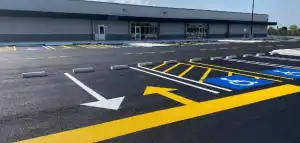
- Parking lots: Guiding shoppers safely from vehicles to storefronts
- Mid-block areas: Near parks, rivers, or trails where intersections are scarce
These are the places where visibility matters most—and where zebra striping helps everyone move safely.
Designing Safe Pedestrian Crossings
Crosswalks aren’t just lines on asphalt—they’re carefully designed systems meant to slow traffic, protect pedestrians, and function in real-world conditions.
Visibility Saves Lives
The core purpose of zebra striping is to increase visibility. Studies show that high-contrast crosswalks can reduce pedestrian accidents by up to 25% in moderate-speed zones (25–35 mph). Our stripes are designed to catch a motorist’s eye from 100+ feet away, even in rain or fading light.
Controlled vs. Uncontrolled Crossings
- Controlled crossings: Use traffic signals (e.g., “green man” lights) to regulate flow
- Uncontrolled crossings: Rely solely on zebra stripes and driver awareness. These require precision—width, spacing, and reflectivity matter
No matter the type, clear markings make the difference between hesitation and confidence.
What Makes a Crossing Safe?
- ADA-compliant widths (minimum 6 feet for sidewalks)
- Unblocked sightlines: No parked cars or overgrown shrubs
- Durable materials: Thermoplastic stripes that resist fading for 5+ years
These basics help make every crossing functional, visible, and safe for real-world use.
Zebra Crossings Beyond the Basics
Modern city planning demands more than the basics. Zebra crossings are evolving to meet new traffic challenges and mixed-use spaces.
Mid-Block Crossings: Safety Between Intersections
When pedestrians need to walk across a road in the middle of a block—near a riverside trail or bus stop—mid-block zebra crossings fill the gap. We enhance these zones with:
- Pedestrian islands for safer two-phase crossings
- Solar-powered beacons for nighttime visibility
- Advanced signage to alert drivers 100 feet in advance
Mid-block crossings work best when they’re supported by features that slow traffic and catch the eye.
Shared Spaces: Bicycles & Pedestrians
In many cities, zebra crossings intersect with bike lanes. We design stripes to accommodate both modes of traffic:
- Wider crosswalks (10+ feet) for shared use
- Color accents (blue or green) to separate bike flow
- Signage reminding cyclists to yield to walkers
With clear markings and smart design, everyone can move through safely—on foot or on wheels.
Pedestrian Safety: A Shared Responsibility
Safety only works when everyone participates. Zebra crossings help—but attention, patience, and respect are key.
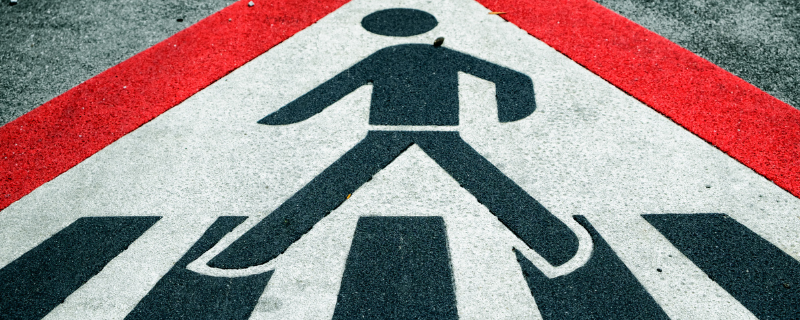
For Pedestrians
- Always walk—never run—across zebra crossings
- Put the phone down and stay alert
- Use designated crossings; jaywalking is dangerous
A little caution goes a long way when you’re sharing space with traffic.
For Motorists
- Slow down when approaching any pedestrian crossing
- Yield as soon as pedestrians step onto the stripes
- Be extra cautious near school zones and transit hubs
These habits help protect people in the most vulnerable part of the street.
Modern Safety Systems & Zebra Striping
Tech is making crosswalks smarter. While our focus is on markings, we work in sync with these advancements.
- Audible signals for visually impaired walkers
- Countdown timers that show how long it’s safe to cross
- Smart crosswalks with sensors that trigger flashing lights
Technology only works if the base markings are clear—and that’s where we come in.
Maintenance: Keeping Stripes Crisp
Worn or faded markings can become invisible at 30 mph. That’s where we come in.
- 24-hour emergency restriping for high-priority zones
- Thermoplastic upgrades that last 5x longer than standard paint
- Sidewalk audits to flag issues with the “legs” of a crossing (the sidewalks leading in/out)
Well-maintained crossings do more than look good—they keep everyone safer.
Strategic Placement: Where Crossings Matter Most
Not all crosswalks are created equal. We focus on where zebra markings will have the greatest impact.
- High-risk areas with a history of unsafe behavior
- Pedestrian generators like shopping centers and parks
- School routes where kids walk or bike daily
We focus our work where it matters—where real people cross every day.
Why Choose OK Parking and Line Striping?
There’s more to parking lot striping than paint. We combine local expertise, precision tools, and a safety-first mindset to get it done right.
Precision Striping, Proven Results
- High-contrast designs visible in all lighting and weather conditions
- Fast turnaround: We install or replace crosswalks in under 24 hours
- Oklahoma-smart planning: We know how this state’s traffic flows, what the weather does, and what local codes demand
Smart planning and strong materials are what keep these crossings performing long after the paint dries.
Beyond Roads: Parking Lots & Sidewalks
We don’t just work on roads—we work where people actually walk.
- Shopping centers: From the car to the entrance, safely
- Office parks: Protecting employees during rush hour
- School zones: Bold, visible stripes that catch distracted drivers’ eyes
Wherever people walk, our markings help them get there safely and clearly.
Safety, Down to the Line
Zebra crossings aren’t just paint—they’re a lifeline for walkers, drivers, and cyclists. At OK Parking and Line Striping, we don’t just meet standards—we set them.
Let our team assess your pedestrian zones for faded stripes, blocked sightlines, or non-compliant designs. We’ll deliver a custom plan to make safety impossible to miss.
Email info@okparkingandlinestriping.com
Let’s bring better visibility and walkability to your streets—one stripe at a time.