
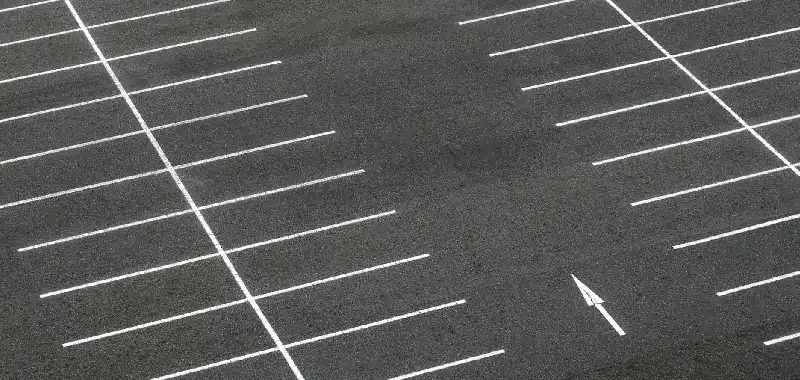
A crisp set of lines can completely transform the way your parking lot sees daily use. When you repaint your lot with fresh paint, it not only enhances curb appeal but also helps guide drivers and reduce accidents. Still, the timing depends on several factors, including things like weather and traffic flow. That’s why most people rely on professional services like Oklahoma Parking Lot Services, where parking lot striping in OK is done right, at your convenience.
Below, we’ve put together everything you should know before you repaint your parking lot for the best results. Check it out!
Why Does Timing Matter in Parking Lot Striping?
Before you schedule a paint job for your parking lot, you have to think about safety and your budget. The season you choose to repaint your lot can change how the asphalt paint cures and how well the parking lines hold up.
For example, if you apply paint in cold or damp weather, it won’t bond deeply enough and may crack or wear away. If it’s too hot, the surface can dry too quickly, leading to flaking or a rough finish. Aside from affecting aesthetics, it can also mean more wear and require even more frequent touch-ups than expected.
Timing affects curb appeal and everyday safety, too. Crisp, bright parking lot lines, visible ADA markings, clear directional arrows, and well-defined handicap spaces help guide drivers, reduce confusion, and make your lot feel cared for while lowering accident risk.
Best Seasons for Repainting Your Parking Lot Lines
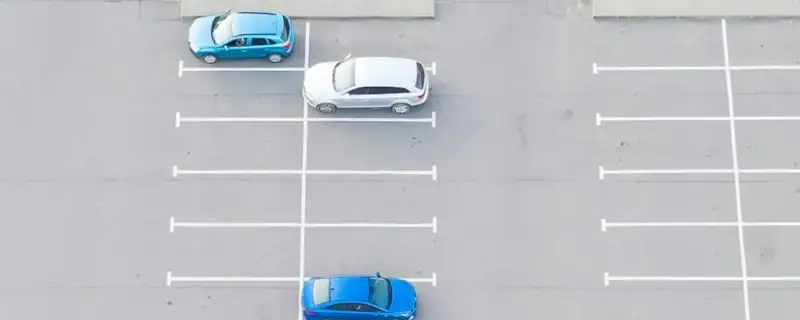
If you’re trying to pick when to repaint your parking lot, these seasons offer the best balance of conditions for a lasting striping result.
Spring: A Natural Reset
Spring is a reset button for lots. After winter’s freeze-thaw cycles, snow, water, and road salt, your parking lot has likely seen wear and tear. That’s when parking lot restriping becomes not just a smart move, but a timely one.
Spring mornings are usually mild and warm enough to let water-based paint cure, yet cool enough to let it adhere well. Humidity is lower than in summer, which helps paint dry consistently and avoids overspray in the wind. This timing supports longer-lasting lines and fewer reapplications.
Brighter parking lot striping makes your property look cared for, which is a quiet way to show tenants or customers you invest in property maintenance. If you’re also planning pothole or crack repairs, sealcoating, or other work, it’s best to start painting after repairs are complete and the surface is clean and ready.
Early Summer: Quick Drying, Efficient Workflow
Early summer brings warmth that helps lines dry faster (often in less than an hour in ideal conditions), which is great for quick setups in high-traffic areas. Fast paint drying cuts your closure time and lets you open sections earlier.
Since water-based paint works well in this heat, it can be efficient, environmentally friendly, and effective. We’ve seen that property managers who stripe in early summer often get strong results without worrying about midsummer heat fade or cracking.
Early Fall: A Final Window Before Cold
If spring and summer passed by, early fall is your final good slot. Temperatures are cooler, but still mild enough for asphalt paint adhesion. Humidity drops, and wind is generally lighter, stabilizing the paint and allowing better control of layout lines, even with painter’s tape.
Early fall is quieter for many businesses, too, so you can schedule line painting with minimal disruption. A strong general rule is that if you haven’t done a lot striping by mid-October, it’s better to wait until spring than risk poor adhesion.
Signs That It’s Time to Repaint Your Parking Lot

Even without a calendar, your lot will tell you when it needs attention just based on its appearance. To know when it’s time for repainting, look out for these telltale signals:
Faded Lines or Missing Marks
When your parking lines are faded, cracked, or missing entirely, your lot starts to feel neglected. But aside from appearances, it also impacts how someone parks or moves through the lot. Remember: clear parking lot lines, arrows, and ADA markings keep everything organized, so it’s important to keep them clear and crisp.
Disrupted Traffic Flow or Confusion
If drivers are ignoring lines, parking crooked, or cutting corners because they can’t see directional arrows or proper flow, that’s a sign the striping has lost its purpose. That confusion can trickle into safety hazards, especially in high-traffic areas.
After Repairs or Maintenance
Once you’ve fixed potholes, filled cracks, or sealed parts of the lot, any striping in that zone is gone. Re-striping after work ensures that every space, including handicap spaces and fire lanes, is clearly marked and compliant.
You See Wear Faster than Expected
If your lot seems to need more frequent touch-ups than planned, it might be best to review your paint quality or the prep, like cleaning a surface before laying lines. A clean surface means better adhesion and longer life for each stripe.
Compliance Concerns or ADA Issues
If ADA compliance is in question because marks are fading, you are risking fines or liability. Making sure ADA markings and accessible handicap spaces stay clear is an essential part of regular property maintenance.
How Long Does It Take for a Line Paint Job to Dry and Cure?

Most people like to know how much time they should allot not only to the repainting process itself, but also to the drying process. Here’s how it breaks down on typical jobs:
Touch Dry vs Traffic‑Ready vs Full Cure
Touch dry means the surface won’t smear when touched, which happens in about 15 to 30 minutes in good weather. But it’s not ready for use yet. Traffic‑ready usually means you can walk or drive over it carefully after 45 minutes to an hour with water-based paint, assuming you’re working in moderate temperatures. Lastly, a full cure means the paint is bonded completely. That can take up to 24 to 48 hours. If your lot is a high-traffic area, waiting this long reduces the chance of scuffs or damage.
Types of Paint and Their Trade‑Offs
- Water-based paint is common, dries faster, is environmentally friendly, and produces fewer fumes. It’s ideal for most commercial parking lots.
- Oil-based paint lasts longer, but takes more time to dry and cure. It’s handy for heavy-duty areas if you can afford the wait.
- Thermoplastic materials are the most durable, but they require heat during application, special equipment, and precise weather conditions to work properly.
Environmental Factors and Preparation
If the yet-to-be-painted surface isn’t clean, dust or debris can cause uneven bonding or flaking. So always make sure the area has a dry, clean surface.
Hot or cold temps alter drying times. Below 50°F, even water-based paint can stall. Over 90°F, it might dry too fast, trapping solvents and reducing longevity. Wind is a factor too: light breezes help, but strong gusts can blow debris onto wet stripes.
How Often Should You Repaint the Parking Lot of Your Commercial Property to Stay Compliant?

As a general rule, most commercial parking lots need parking lot restriping every 12 to 24 months. But let’s talk about it some more:
Factors That Accelerate the Need for Repainting
- High-traffic areas wear faster, especially under the sun or winter salt.
- Lots exposed to heavy snow or freeze-thaw cycles can lose visibility faster.
- Paint quality and prep also affect how long your lines stay crisp.
In practice, your lot may need frequent touch-ups rather than full re-striping, especially in entry lanes or high-use zones. But full repainting every two years helps maintain curb appeal, safety, ADA compliance, and line visibility up to standard.
Scheduling Your Parking Lot Striping for Minimal Disruption
To protect daily operations, consider these tips:
- Choose spring or early fall to paint, when weather conditions favor dry, even adhesion.
- Plan striping during off-hours (e.g., early mornings, evenings, or weekends), so customers, staff, and drivers won’t be too affected.
- Pair striping right after other maintenance (e.g., pavement repairs, sealcoating, or crack filling), so we paint over a clean surface, not dusty or disrupted sections.
- A crew that handles equipment, painter’s tape, signage, and cones efficiently makes a difference. At OKPLS, we take care of it so you don’t need to worry.
That kind of planning ensures ADA compliance, improves signage clarity, and keeps traffic flowing smoothly.
Keep Your Lot Safe and Sharp Year-Round with OKPLS
The best results happen when you use the right paint, schedule regular maintenance, and double-check the details that matter. A fresh striping job can create a safer layout for drivers and pedestrians while keeping your property looking professional. The cost is typically far less than what you’d spend on accidents or compliance issues.
For dependable parking lot striping in OK, reach out to Oklahoma Parking Lot Services today!